


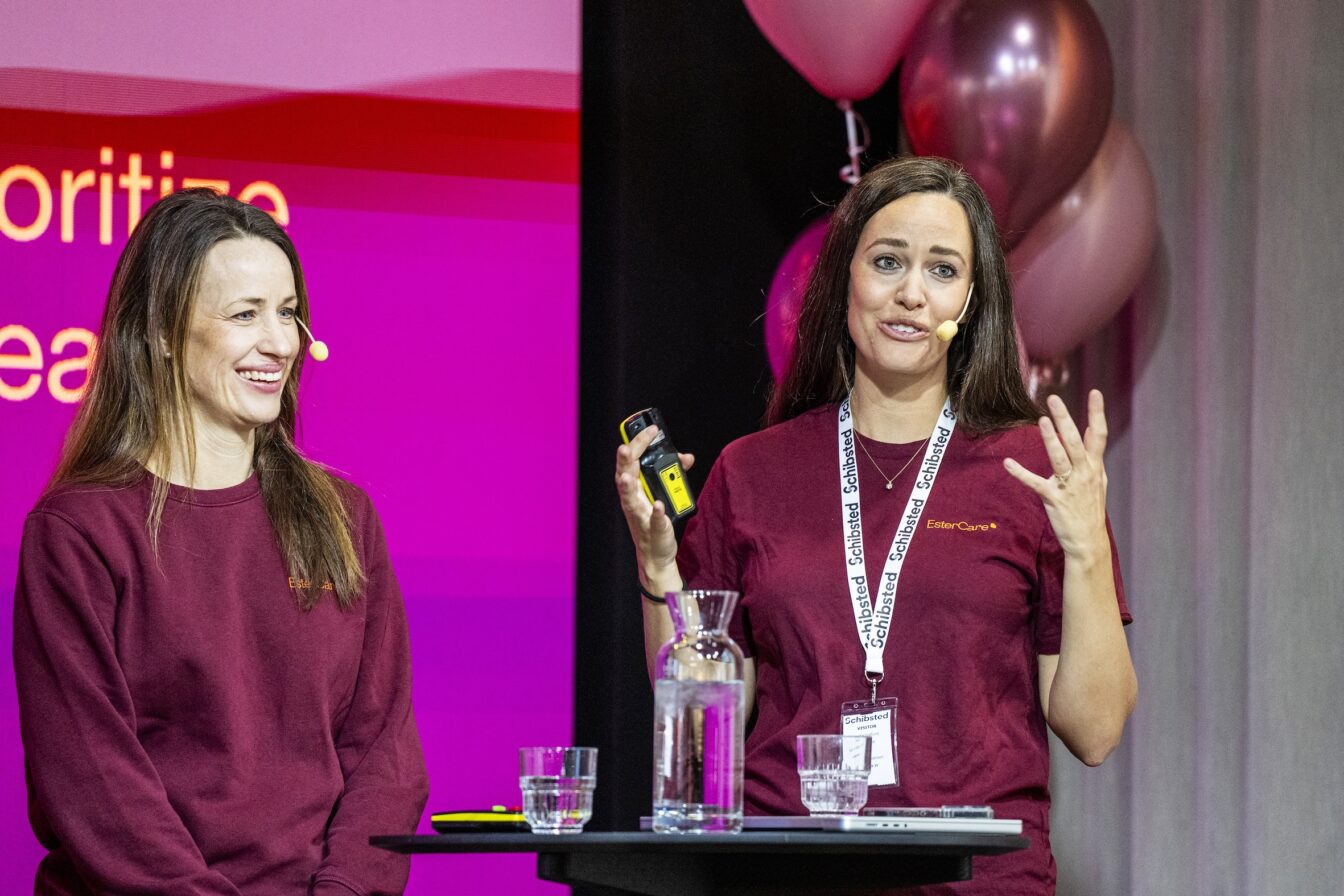
Schibsted is entering into a partnership with the healthtech company Estercare to provide employees in Sweden and Norway with better support for women’s health.
The initiative aims to close gaps in diagnosis, treatment, and knowledge – an issue that affects both individual well-being and workplace productivity. Through a digital platform, employees will gain access to screening, specialist support, and personalized health plans.
“Schibsted strives to be a workplace where everyone has equal opportunities to feel well and perform at their best. We know that women’s health challenges have long received too little attention in working life. By investing in better support and knowledge, we want to contribute to improved health and more equal conditions,” says Grethe Malkmus, EVP People at Schibsted.
Research shows that women are more likely than men to take sick leave and more often live with undiagnosed or untreated health conditions. At the same time, many issues related to hormones, menstruation, or menopause can be effectively treated if detected early.
Access to a digital platform
Through Estercare’s digital platform, Schibsted employees will have access to preventive health services, digital health assessments, consultations with specialists, and educational materials for both employees and managers.
“Many women live for years with symptoms that can be treated but are never correctly diagnosed. When employers engage in this issue, it not only improves individual health but also the sustainability of the organization,” says Lydia Graflund Kastengren, CEO of Estercare.
The partnership builds on a previous pilot project between Schibsted and Estercare, which explored how proactive support and earlier diagnosis can improve well-being and reduce unnecessary sick leave.
Women’s health has recently gained increased attention as an important workplace issue. Studies show that women are significantly more likely than men to take sick leave and may spend a larger portion of their lives in reduced health. Working proactively on these issues is therefore seen as an important step toward strengthening both well-being and gender equality in the workplace.


